
Why your outdoor lighting looked fine in summer but doesn’t in winter
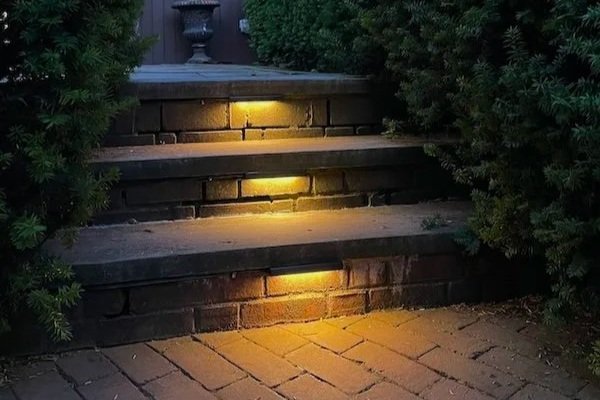
It’s a sharp January evening on Long Island. The wind has that familiar bite that makes you pull your coat tighter, and as you step outside – maybe to check on the garage or just for a breath of fresh air – you notice it immediately: the outdoor lighting. Not the soft, inviting glow you remember from summer evenings, but something uneven, almost struggling. A pathway that felt safe now disappears into shadows. A flower bed that once popped beautifully in the evening now sits half-hidden, flickering faintly under the cold glow of a bulb.
You pause and scan the yard. What worked flawlessly a few months ago now feels… off. Winter has a way of telling the truth. It exposes flaws in layout, gaps in coverage, and weaknesses in wiring that summer’s long days and leafy trees conceal. One of the beauties of outdoor landscape lighting is that it evolves with nature – the way sunlight shifts, foliage grows or recedes, and seasons change can reveal new angles, textures, and moods in your yard. But when your system isn’t designed correctly, those very changes – the shedding of leaves, the low winter sun, frost, and snow – can expose every imperfection you didn’t notice before.
For Nassau and Suffolk County homeowners on Long Island, this story is all too familiar. Your outdoor lighting isn’t broken; it’s simply showing its seasonal personality. Some areas glow too bright, others too dim, and shadows suddenly feel sharper. Winter unmasks what summer cleverly hides, turning the soft, even lighting you took for granted into a puzzle of flickers, gaps, and cold contrasts.
In this article, we’ll explore why outdoor lighting behaves differently in winter, the most common issues Long Island homeowners face, and why working with a professional landscape lighting designer is the difference between a yard that feels uneven and a yard that shines, safe and beautiful, even in the dead of winter.
Why winter changes how outdoor lighting looks on Long Island
Winter on Long Island isn’t just colder; it fundamentally changes how your property is experienced after dark. In January, evenings are long, and what once seemed subtle in summer suddenly feels stark. Bare trees, stripped of their leaves, expose areas that foliage once concealed. Frost, ice, and the occasional snow reflect light unpredictably, sometimes creating glare, other times deep shadows.
Even small imperfections that were invisible in summer become glaringly obvious. Walkways, backyard paths, and side yards reveal gaps in coverage you didn’t notice before.
Example: A Nassau County homeowner might have a long backyard path that looked flawless in August. Summer bushes and flowers hid uneven lighting, but come January, the bare branches reveal gaps, leaving parts of the path barely illuminated. Snow reflecting unevenly can turn bright spots into harsh glare and shadows into deep pockets of darkness. What seemed like a balanced lighting scheme in summer now feels inconsistent and even unsafe.
Winter doesn’t just expose design flaws – it also reveals weaknesses in maintenance and materials. That’s why many homeowners only notice problems when the cold hits.
Common winter outdoor lighting problems for Nassau & Suffolk County homes
Winter highlights a variety of issues that are often invisible during summer:
Flickering or dim lights
Low-cost or DIY outdoor lighting kits often struggle in cold temperatures. Connections may loosen, transformers may underperform, and bulbs can dim slightly. Professional-grade systems are designed for low temperatures, so lights stay bright and consistent even on freezing nights.Uneven illumination and dark spots
Bare branches and snow expose areas that were previously hidden. Pathways, steps, and entrances may appear unevenly lit, creating safety risks. Homeowners often assume their lighting was fine, but winter proves otherwise.Wiring and connection issues
Cold makes low-quality cables stiff and brittle, increasing the risk of cracks or loose connections. Moisture from snow or frost can seep into poorly sealed connections, causing flickering or corrosion. Professional wiring, however, is designed to withstand these conditions, keeping your system reliable for years.Bulbs not rated for low temperatures
Some LEDs or halogen bulbs dim in freezing weather if they weren’t designed for low temperatures. High-quality, winter-rated bulbs maintain brightness consistently.
Example: A Suffolk County homeowner installed a DIY lighting kit along a winding backyard path. Everything worked perfectly in July. By January, several lights flickered, and others barely glowed. The root cause? Cheap connectors and brittle wiring, which failed under freezing conditions. In contrast, a professionally installed system with winter-rated low-voltage cables and properly sealed fixtures would have performed flawlessly.
How cold weather affects outdoor lighting wiring and fixtures
Cold weather doesn’t just make your lighting look different – it physically affects your equipment.
Cheap cables get stiff and brittle: Low-cost DIY wiring becomes hard to twist and manipulate in sub-freezing temperatures, making connections prone to cracking or loosening.
Connectors shrink: Cheap connectors contract in cold, sometimes compromising even carefully installed DIY systems.
Moisture infiltration: Snow, ice, and even condensation can seep into low-quality fixtures, causing corrosion or short-circuits.
Bulbs and transformers work harder: Cold can increase electrical resistance slightly, dimming some lights.
All of these issues are much less likely with professional-grade systems. Cables designed for winter remain flexible, connectors and transformers are sealed for moisture resistance, and fixtures are built to endure freezing temperatures. This is why working with a landscape lighting professional isn’t just about aesthetics – it’s about ensuring reliability and safety, even on the coldest Long Island nights.
Example: A Nassau County homeowner opted for DIY installation along a front walkway. In July, it looked great. In January, some lights flickered every evening. The professional-grade alternative would have included cables and connectors rated for cold weather, with properly sealed fixtures that keep moisture out and lights glowing consistently.
Curious why DIY outdoor lighting often falls short – and how to do it right? Read our blog “Why DIY outdoor lighting fails (and how to do it right)”
Why working with a landscape lighting designer makes a difference
Winter makes it obvious why professional planning matters. Many DIY systems fail because they don’t account for seasonal shifts, wiring longevity, or fixture durability.
A professional landscape lighting designer:
Evaluates the property in every season, not just summer.
Plans wiring and fixture placement for consistent winter performance.
Uses professional-grade fixtures and cables built to withstand freezing temperatures, moisture, and snow.
Designs a system that balances safety and aesthetics, even when nights are long and temperatures drop below freezing.
A well-designed system doesn’t just look beautiful; it performs consistently, protects pathways and entrances, and lasts for years without flickering or dimming. That peace of mind is especially valuable in Nassau and Suffolk County, where large properties and long driveways are common.

Location: Old Westbury, NY.
For professional insights on planning and designing landscape lighting for optimal performance and longevity, refer to our post “How to design landscape lighting”.
Why winter is actually the best time to evaluate your outdoor lighting
It might seem counterintuitive, but winter is the ideal time to spot your outdoor lighting’s strengths and weaknesses. Early darkness, bare trees, and snow reveal gaps that summer foliage hides. Walking the property at night in January exposes uneven illumination, shadowed areas, and potential safety hazards.
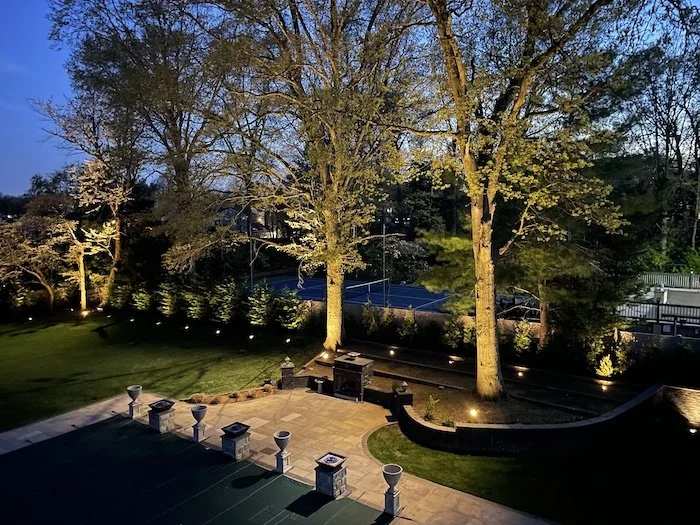
Location: Albertson, NY.
Winter is also the best season to plan upgrades without the distraction of blooming flowers, busy landscaping projects, or hot summer evenings. A professional landscape lighting designer can pinpoint issues, propose solutions, and schedule installation at the optimal time, allowing your property to be fully illuminated and safe when it matters most.
For a deeper dive into why winter is the perfect time to plan outdoor lighting installations and get the most out of your landscape lighting, check out our full article “Why winter is a perfect season for landscape lighting spotlights”.
Maintaining winter-ready outdoor lighting
Even the best systems benefit from a little care:
Clear snow and ice safely: Prevent uneven reflection and reduce strain on bulbs.
Professional inspections: A landscape lighting designer can check connections, seals, and transformers to ensure winter reliability.
Winter-rated bulbs: If replacements are needed, choose bulbs designed to maintain brightness in low temperatures.
The key takeaway: don’t try to reposition fixtures or fix wiring yourself in the cold. Winter is the time to rely on professionals who know how to keep your lighting system performing safely and beautifully.
Final thoughts:
If your outdoor lighting looked perfect in summer but feels lacking in January, it’s not your imagination. Winter exposes weaknesses in layout, wiring, and fixtures that summer hides. Cheap DIY systems are usually the first to fail, while professional-grade systems installed by a landscape lighting designer perform reliably year after year.
One of the joys of outdoor landscape lighting is that it evolves with nature, reflecting the seasons, shifting foliage, and changing light – but only when it’s done right. Winter reveals the flaws in systems that weren’t carefully planned, underscoring the value of professional design.
Investing in expertise isn’t just about aesthetics – it’s about safety, reliability, and consistent beauty, even on the darkest January nights. When your lighting is designed to adapt with the seasons, your yard can shine, welcoming and safe, year-round.
If you have any questions or need assistance with landscape lighting services for your property, we're here to help. We offer professional design and installation services on Long Island, NY (Nassau County and Suffolk County), and the surrounding areas. Contact us today, and we’ll connect you with one of our expert lighting designers to discuss your needs and provide a custom design proposal for your home.